Smooth, low‑maintenance skin is not about a single appointment. It is the result of a well planned course of laser hair removal sessions, followed by smart upkeep that respects how hair grows and how skin heals. I have worked with clients from first consultation to final touch‑ups for more than a decade, and the people who stay happy years later are the ones who understand maintenance. They manage expectations, build good habits, and schedule the right appointments at the right times. This guide unpacks how to keep results consistent for the long term, whether you did face laser hair removal, full body laser hair removal, or a small area like upper lip or underarm.
What permanence really means
Most clinics describe laser hair removal as permanent hair reduction, not complete and permanent removal. The laser targets pigment in the hair follicle during active growth. That disables many follicles, but not all. Some hairs are in resting phases during a given session. Others are lighter, finer, or sit just outside the ideal depth window. Hormonal shifts can wake up dormant follicles years later. When you read a laser hair removal review that mentions regrowth, it usually means a mix of new fine hairs and a handful of coarse survivors, not a full return to baseline.
A realistic outcome after a well executed series: 70 to 90 percent reduction in coarse hair in the treated area, with remaining hairs becoming lighter and slower to grow. The higher numbers tend to show up in underarm laser hair removal and bikini laser hair removal. The lower end is more common with facial areas driven by hormones, such as chin laser hair removal and neck laser hair removal. Permanent laser hair removal is the goal, but plan for ongoing refinement.
Why hair returns in patches
Hair growth cycles explain most patterns people see after finishing their initial course. Human hair has three main stages, and only the anagen, or active growth phase, consistently responds to laser energy. On the face, a full cycle can be as short as 4 to 6 weeks. On legs and arms, it often runs 8 to 12 weeks. This is why a standard laser hair removal treatment plan involves multiple sessions spaced by area specific intervals.
After completing a series, regrowth often appears as:
- Scatter of fine, downy hairs that were too light to attract enough energy the first time. Isolated coarse hairs from follicles that were not in anagen at the moment of treatment. New growth influenced by hormones, which is especially relevant for laser hair removal for women with PCOS or for anyone during pregnancy and menopause, and for laser hair removal for men with rising testosterone in early adulthood.
The maintenance strategy is to catch these stragglers at the right intervals and to keep pigment‑rich, late‑blooming hairs from re‑establishing.
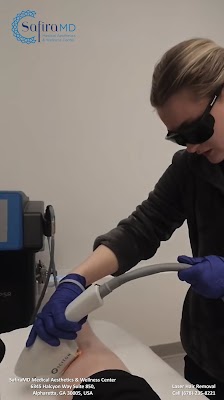
A typical path from consultation to maintenance
In a good laser hair removal consultation, you and your provider should map your skin type, hair color, hair caliber, medical history, and lifestyle. That initial conversation sets accurate expectations for recovery, aftercare, and maintenance. If your clinic uses medical grade laser hair removal devices, you will likely discuss diode laser hair removal for medium to light skin with dark hair, alexandrite laser hair removal for light to olive skin, and nd yag laser hair removal for dark skin types because of its safer depth and lower melanin absorption. IPL laser hair removal, while common, is not a true laser and can be less selective. It works well for some, but consistency tends to be stronger with diode, alexandrite, and Nd:YAG in experienced hands.
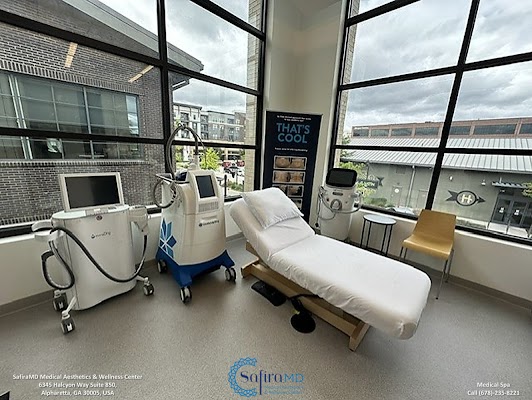
Most people do 6 to 10 laser hair removal sessions for each area. A few need more, especially for face laser hair removal. Social media compresses this reality into before and after highlights. Real skin does not work Alpharetta GA laser hair removal on that timeline. If you build your schedule around the biology rather than the calendar alone, your end result usually looks cleaner and holds longer.
Once the primary series wraps, expect a maintenance phase that can range from one to three sessions a year for body areas and two to four for facial areas in the first maintenance year. Over time, the interval widens.
Area by area: how long results tend to hold
Underarms respond fast. The contrast is usually strong, the hair is coarse, and the skin tolerates energy well. After a full course of underarm laser hair removal, many people coast for 12 to 18 months before needing a touch‑up. Bikini laser hair removal also does well, though it can be more sensitive. Maintenance every 9 to 15 months is typical, with a shorter interval for Brazilian patterns.
Leg laser hair removal sits in the middle. Calves usually clear faster than thighs. You might need a touch‑up every 12 to 24 months once the series ends, depending on your baseline density and hormones. Arm laser hair removal can mirror legs, with forearms often requiring fewer maintenance sessions than upper arms.
Facial areas carry the most variability. Upper lip laser hair removal may hold for 6 to 12 months before a refinement session. Chin laser hair removal and neck laser hair removal often require more consistent upkeep, especially if there is any endocrine driver such as PCOS, insulin resistance, or medication side effects from testosterone or certain progestins. Expect two or more maintenance visits per year in the first year after finishing the main course. Back laser hair removal and chest laser hair removal, common choices for men, are influenced by testosterone. After a thorough initial course, many men schedule maintenance one to two times per year. Stomach laser hair removal and shoulder laser hair removal fall into the same pattern.
These ranges assume professional laser hair removal with modern laser hair removal technology and calibrated settings, not at‑home devices.
Building a maintenance schedule that works
A useful way to think about maintenance is to set a baseline interval, then tighten or widen based on what you see. If your hairs return faster than expected, it is not a failure. It is feedback about either the interval, the device used, the fluence applied, your sun exposure, or hormone shifts.
Here is a compact guide you can adapt:
- After your final primary session, book a check‑in at 3 months for face and 6 months for body to assess regrowth and density. If you notice clusters of coarse hairs before that window, schedule a spot treatment rather than delaying to the next broad session. If you go 6 to 9 months on body areas without meaningful regrowth, extend to yearly. If you start new medications or notice hormonal changes, pre‑book a maintenance session 6 to 8 weeks after the change to intercept new growth. Revisit settings and device choice with your laser hair removal specialist if you see paradoxical patterns such as thicker growth at the margin of a treated field.
Habits that protect your investment
The simplest maintenance tools cost little: sunscreen, a gentle exfoliant, and a regular shaving routine during active treatment cycles. Sun management is more than a rule. It is a safety and efficacy lever. Untanned skin allows higher energies with less risk of pigmentation changes. It also improves the pigment contrast in the hair follicle itself.
Between sessions, shave rather than wax or tweeze. Waxing removes the target. The laser needs a hair shaft connected to the bulb to deliver energy efficiently. Shaving 24 to 48 hours before helps position the hair at the right height without singeing long strands on the surface. For sensitive skin, use fragrance‑free gel and a sharp blade. Dull razors inflame follicles and can cloud your assessment of how well the laser is working.
Topical actives require some planning. Pause retinoids and exfoliating acids 3 to 5 days before and after a facial session to reduce irritation risk. For body areas, the buffer can be shorter, 2 to 3 days, unless your skin runs reactive. Avoid self‑tanner for at least two weeks pre‑treatment on the area to be lasered, and do not reapply for at least a week after. Self‑tanner acts like added pigment and can lead to uneven energy absorption.
Ingrown hairs usually drop as treatments progress, but you can hurry that along. A gentle salicylic acid wash a few times a week on prone areas helps. So does a soft washcloth or silicone scrubber used lightly, not with brute force. If you have a history of post inflammatory hyperpigmentation, your provider may recommend a short course of azelaic acid or a low‑strength hydroquinone in the weeks before starting, especially for bikini line and underarms.
A practical aftercare checklist for every session
- Cool the area with ice packs wrapped in a soft cloth for short intervals the first day if you feel warmth or tightness. Use a plain moisturizer twice daily for 48 to 72 hours. Look for glycerin, squalane, or ceramides. Avoid fragrance and essential oils. Skip hot yoga, steam rooms, and chlorinated pools for 24 to 48 hours to prevent irritation. Keep the area out of direct sun and use SPF 30 or higher daily. Mineral sunscreens are often better tolerated in the first few days. Shave regrowth if needed between sessions. Do not wax, tweeze, or thread.
Device choice matters for maintenance too
The core devices in clinical laser hair removal include diode, alexandrite, and Nd:YAG. Each has a wavelength that interacts differently with melanin.
- Diode devices at 805 to 810 nm work well across a wide range of skin types with dark terminal hair, and they strike a good balance between depth and selectivity. Many clinics rely on diode for underarms, legs, and backs. Alexandrite lasers at 755 nm are efficient for lighter skin types with dark hair. They tend to feel brisk but clear quickly when used by skilled hands. They are a common choice for arm and leg work on Fitzpatrick I to III. Nd:YAG at 1064 nm penetrates deeper and has lower melanin absorption in the epidermis. That makes it a safer option for laser hair removal for dark skin, as it reduces the risk of burns and post‑inflammatory pigment changes. Settings still matter, and passes must be methodical.
IPL is technically intense pulsed light, not a single wavelength laser. It can perform well on certain hair and skin combinations, especially for broader cosmetic goals like pigment and redness, but for laser hair reduction treatment as a long term solution, I usually see more consistent maintenance outcomes from true lasers.
For maintenance sessions, some providers switch wavelengths based on the new hair profile. As hairs miniaturize, they carry less pigment. Your specialist may adjust pulse width, fluence, and spot size or change from alexandrite to diode to improve capture. This is where a trusted clinic and a certified provider earn their keep.
Cost, packages, and when to buy a deal
Laser hair removal pricing varies by region and device, but a useful frame is this: maintenance sessions are often priced per area at 30 to 60 percent of the original per‑session cost. If your leg laser hair removal price was 300 dollars per session during the initial series, a maintenance pass might fall between 100 and 200 dollars, especially if the time on device is shorter. Some clinics build maintenance into a laser hair removal package with a few add‑on sessions at a preferred rate. Other clinics run periodic laser hair removal deals during slower seasons. It can be worth asking during your laser hair removal appointment or booking visit whether there is a returning client rate. Affordable laser hair removal is not about the lowest sticker price. It is about consistent outcomes from professional laser hair removal with modern laser hair removal technology that fits your skin.
If you are searching laser hair removal near me, look for these anchors: a medical director or laser hair removal dermatologist overseeing protocols, clear consent forms, skin typing at consult, a patch test when indicated, and a plan for aftercare and maintenance in writing. The best laser hair removal centers do not rush this.

Special cases that change the maintenance plan
Hormonal conditions shift the maintenance game. People with PCOS, congenital adrenal hyperplasia, thyroid disorders, or those on exogenous androgens may need more frequent maintenance. I have several clients with PCOS who maintain excellent results with quarterly chin and neck sessions for the first year, then extend to twice a year. That pattern can be the difference between frustration and steady satisfaction.
Pregnancy and breastfeeding are typically off limits for laser hair removal therapy. If you paused mid‑series, expect a recalibration when you return. Menopause can bring a fresh wave of upper lip and chin hairs. A short cluster of maintenance visits often restores calm.
Medication lists matter. Some antibiotics, isotretinoin history, photosensitizing antidepressants, and herbal supplements can change risk profiles. Be open with your provider at every maintenance visit. An extra minute on history prevents weeks of irritated skin.
Skin of color requires careful parameter choices. Laser hair removal for dark skin is safest with Nd:YAG, proper cooling, conservative fluence, and longer pulse widths, with a gradual build. Maintenance does not change that rule. I have seen great long term outcomes in Fitzpatrick IV to VI clients who stayed consistent with sun protection and communicated early about any darkening. When post inflammatory hyperpigmentation appears, pausing and pivoting to topicals and time protects outcomes more than pushing ahead.
Tattoos in treatment fields are a hard stop. The pigment absorbs the energy. Keep at least a 2 to 3 cm border. If the hair runs into tattooed skin, accept a partial clearance or explore electrolysis for edge cases.
Safety, side effects, and what to do if something looks off
Mild redness, perifollicular edema, and a prickly warmth for a few hours after treatment are common. That small ring of swelling around each follicle is a good sign the laser hit its target. It settles with cooling and moisturizer. What is not normal: blistering, crusting, or pattern‑like stripes that mirror the handpiece. If this happens, cool the area gently, apply a bland emollient, and contact the clinic the same day. Early care limits pigment changes. True burns are rare in experienced hands but more common in tanned skin, with high fluence on darker skin types, or after recent sun exposure or self‑tanner.
Cold sores on the lip can reactivate with facial treatments. If you have a history of HSV‑1, ask about prophylactic antivirals before an upper lip or chin session. That simple step has saved many of my clients a bumpy week.
Paradoxical hypertrichosis, a rare increase in hair growth, shows up more often with IPL on the face in darker skin types and in areas with hormonal drive. It remains rare overall. If suspected, shifting to a different wavelength and tightening intervals usually settles the issue. Your provider can also shrink the treatment field to avoid stimulating vellus hairs at the edges.
Men versus women: how maintenance patterns differ
Laser hair removal for men often targets back, chest, shoulders, and neck. The density can be high, but the hair is usually coarse and responsive. The main maintenance driver is testosterone. Men in their twenties sometimes see new areas activate even after a strong series on the back. A once or twice yearly session keeps things in check. Barbershop lines on the neck are a popular, underrated choice. Clean edges reduce irritation from frequent shaving, and maintenance here tends to be low once the bulk is handled.
Laser hair removal for women frequently includes underarms, bikini, legs, and facial areas. Body areas hold well with yearly touch‑ups. The face is dominated by hormones and can require a standing plan, for example, every 3 to 6 months for the first year, then widening. For women with sensitive skin, choosing a clinic that frames this before starting prevents disappointment later.
At‑home devices and where they fit
Consumer IPL devices help some people thin fine hair, and they work best on light skin with dark hair. They are slow and less selective than clinical lasers. For maintenance after clinical treatments, a home device can occasionally mop up faint regrowth on legs or arms if you are diligent. Do not use them on deep skin tones, on tanned skin, or on the face if you have melasma or a history of pigment issues. When in doubt, ask your laser hair removal expert for advice during your maintenance check‑in. If you are already investing in clinical laser hair removal professional treatment, one short in‑clinic touch‑up usually beats weeks with a home device.
Seasonal planning
Sun and sweat influence timing. Late fall to early spring is a friendly window for most people, especially for body areas that see a lot of sun in summer. If you surf, hike, or garden all summer, schedule maintenance in the shoulder seasons. If you must treat in summer, be strict about SPF and protective clothing. For athletes and swimmers, chlorine can irritate freshly treated skin. Give your skin 24 to 48 hours before hopping in.
Travel plans count too. If you are booking a laser hair removal service near me search before a beach vacation, aim to finish at least two weeks prior and keep your SPF game tight. Tanned skin limits safe settings and pushes maintenance off the optimal path.
When to switch clinics
Not all laser hair removal clinics operate at the same level. If maintenance feels like an endless loop with no improvement, or if settings never change despite your hair profile changing, consider a second opinion. A laser hair removal center that invests in multiple platforms and employs a laser hair removal specialist or laser hair removal dermatologist will have more tools to adapt as your hair miniaturizes. Look for a clinic that documents fluence, pulse width, spot size, and passes every session and that photographs consistently. Consistent records are the backbone of good maintenance.
A final, practical way to hold your results
Clients who maintain best share a few habits. They book the next appointment while they still remember the pattern of regrowth, they keep sunscreen at the door and by the car keys, and they treat maintenance as a small, periodic tune‑up rather than a project. An underarm maintenance session takes about 10 minutes in the chair. A lower leg might take 20 to 30 minutes. Quick laser hair removal sessions are possible when density is low and mapping is clear. The entire process becomes part of routine skincare.
If you are just starting, invest time upfront with a thorough laser hair removal consultation. Ask about device types, safety protocols for your skin type, realistic laser hair removal results, and how maintenance is handled in their laser hair removal pricing. If you are midstream and weighing a laser hair removal package or laser hair removal offers, ask how many maintenance visits are included and at what interval. If you are years out and thinking about a refresh before a wedding or beach season, two well timed laser hair removal appointments 8 to 12 weeks apart can clean up the edges without restarting a full course.
Laser hair removal is a modern laser hair removal technique with decades of clinical history behind it. With the right plan, it becomes a long term solution rather than a short sprint. Commit to sun sense, choose a qualified provider, shave instead of wax between sessions, and treat maintenance as a small, scheduled check‑in. Smooth, predictable skin is not luck. It is a process you can manage.